
Empowering communities is one of the most effective ways to create lasting and meaningful change. When people are given the opportunity, skills, and resources to shape their own future, development becomes sustainable and resilient. At its core, community empowerment is about enabling individuals and groups to take ownership of their challenges, decisions, and progress.
Communities facing poverty, exclusion, and limited access to education or healthcare often possess strong social bonds, local knowledge, and untapped potential. What they lack is not capacity, but opportunity. Empowerment bridges this gap by investing in people rather than imposing solutions. It shifts development from dependency to dignity and from short-term aid to long-term growth.
One of the key pillars of empowering communities is education. Access to education equips individuals with knowledge, confidence, and critical thinking skills. When children are educated, and adults are given opportunities to learn and develop skills, communities gain the tools needed to improve livelihoods, advocate for their rights, and make informed decisions. Education empowers not only individuals but entire generations.
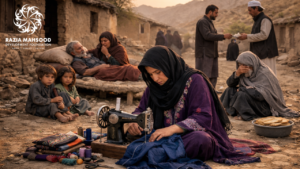
Women’s empowerment plays a central role in strengthening communities. When women have access to education, economic opportunities, and leadership spaces, families become healthier, children are more likely to attend school, and communities grow stronger. Empowering women is not only a matter of equality but also a proven pathway to social and economic development.
Youth engagement is another essential element of community empowerment. Young people bring energy, creativity, and innovation. By providing youth with skills training, leadership opportunities, and safe spaces for participation, communities can harness their potential as agents of positive change. Empowered youth are more likely to contribute to peace, progress, and social cohesion.
Community empowerment also includes improving access to healthcare and well-being. Healthy individuals are better equipped to participate in education, work, and community life. Awareness about hygiene, nutrition, maternal health, and mental well-being strengthens families and enhances community resilience.
A truly empowering approach is community-driven. This means listening to local voices, respecting cultural contexts, and working in partnership with community members. Sustainable change occurs when people are involved in identifying their needs, designing solutions, and leading implementation. External support should act as a facilitator—not a controller—of development.
Empowered communities are more resilient in the face of challenges such as economic hardship, conflict, or climate-related risks. They are better able to adapt, support one another, and find solutions from within. Most importantly, empowerment restores a sense of agency and hope, key ingredients for lasting transformation.
In a world facing complex social and economic challenges, empowering communities is not an option; it is a necessity. By investing in education, women, youth, health, and local leadership, we can build communities that are confident, inclusive, and capable of shaping their own future.
When communities are empowered, change is not temporary; it becomes a way of life.