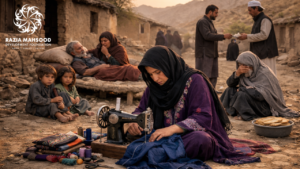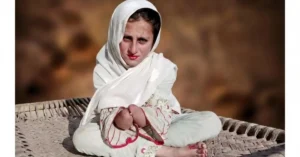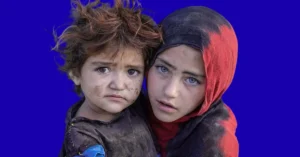
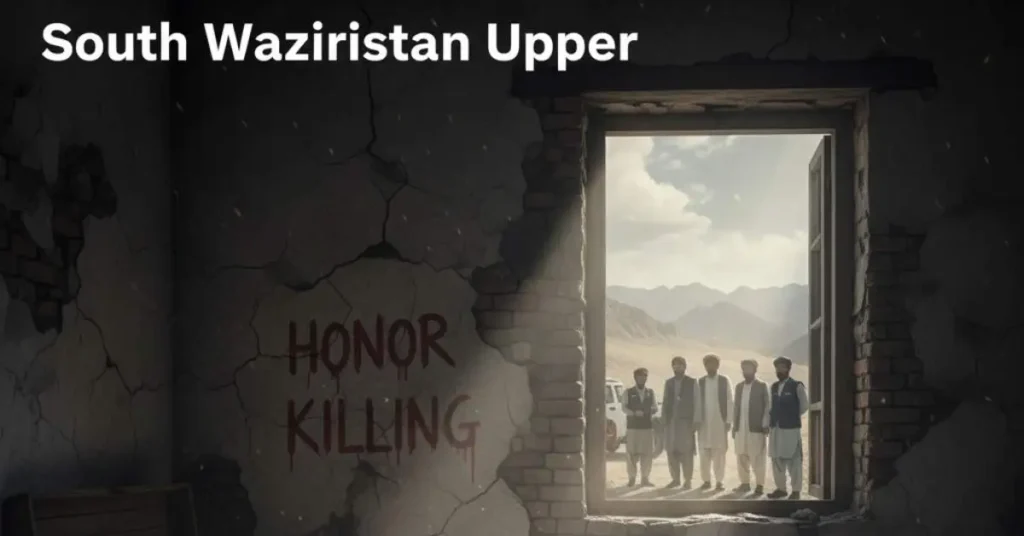

In South Waziristan Upper, a tragedy unfolded that is difficult to process, even harder to accept. An 18-year-old woman was shot dead while she was in prostration during Asr prayer. She was not only praying. She was also a mother of two young daughters and one son. According to local sources, she was pregnant as well. Her life ended in a place meant for peace, at a moment meant for surrender to God.
Reports suggest that the killing was carried out by her own father-in-law, allegedly in the name of honor. The word itself feels hollow when placed next to the reality of what happened. This young woman had been married at the age of 14. By 18, she had already lived through years of responsibility, motherhood, and now death. Her story reflects a much deeper crisis that goes far beyond a single household or village.
What makes this incident even more painful is the silence that followed. More than a week has passed, yet no FIR has been registered. There has been no visible action from the police or the district administration. In a country where law exists on paper, this absence of response sends a clear message to victims and survivors. Their lives can be taken, and their voices erased, without consequence.
Also Read
The Strength and Essence of a Woman
This is not just about one crime. It is about a system that allows such crimes to fade into the background. In many tribal areas, violence against women remains hidden due to social pressure, fear, and deeply rooted customs. Jirga culture often replaces formal legal processes, and women are left without protection or representation. When authorities show little interest, silence becomes the default outcome.
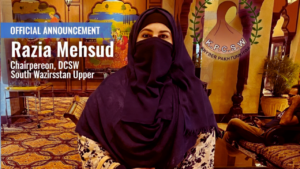
Razia Mahsood, Chairperson of the Razia Mahsood Development Foundation, strongly condemned the killing. She highlighted a reality that many prefer to ignore. Crimes against women in tribal societies often go unreported because there is no strong platform for women’s rights, no accessible legal support, and very little awareness. When a woman is killed inside her own family, the barriers to justice become even stronger.
Her statement is not just a condemnation. It is a warning. When society normalizes silence, violence becomes routine. When institutions fail to act, perpetrators feel protected. The absence of an FIR is not a technical delay. It is a denial of justice. It signals that a woman’s life can be taken without triggering accountability.
The demands raised by RMDF are precise and necessary. There must be an independent and transparent investigation into this killing. An FIR should be registered immediately. The accused must be arrested and tried under the law. Negligence by the district administration and concerned officers should be formally addressed. Most importantly, there needs to be an effective mechanism for protecting women’s rights, especially in regions where cultural pressure often overrides legal responsibility.
For an international audience, this incident may sound distant, but its implications are universal. Violence justified in the name of honor exists in many parts of the world, not only in Pakistan. What differs is how societies and states respond. Justice is not measured by laws alone, but by whether those laws are enforced when it matters most.
This young woman was praying when she was killed. She posed no threat. She asked for nothing more than the right to live. Her children are now left without a mother, and a family without accountability continues as if nothing happened. That is the real tragedy.
RMDF has called upon authorities, human rights organizations, and civil society to break the silence. This call matters. Silence protects violence. Voices create pressure. Justice begins when people refuse to look away.
Raising awareness is not enough, but it is a start. Demanding action is not radical; it is necessary. Every woman has the right to live with dignity, safety, and respect, regardless of where she is born or whom she marries.
This story should not disappear into another statistic. It should remain a reminder that prayer should never end in blood, and that honor can never be built on the grave of a woman.