
By Razia Mehsood, Chairperson, Razia Mahsood Development Foundation (RMDF)
اردو ورژن نیچے ملاحظہ کریں
English
Peace does not come because we have never made it our first priority. We pray for peace and give speeches about it, but our budgets, our policies and our daily attitudes do not give it the place it demands.
For more than two decades, the people of South Waziristan, North Waziristan, Lakki Marwat and Dera Ismail Khan have lived in the shadow of insecurity. Military operations, displacement, destroyed schools, closed markets and scattered families have become part of the region’s collective memory. The 2018 merger of the former FATA into Khyber Pakhtunkhwa brought new hope. Yet today, when a mother sends her child to school, she still asks herself: will my child come home safely this evening? That is not only a security question. It is a question of priorities.
Why peace is not our priority
- Reaction, not prevention: we wake up after an attack and fall asleep again within weeks. Sustained work on the root causes is rare.
- A narrow view of security: peace is tied to checkposts and operations, while human security – education, health, jobs and justice – stays secondary.
- Short-term politics: many decisions look to the next election, not the next generation. Peace pays off slowly, so it slips down the list.
- The gap between promise and delivery: development packages were announced at the merger, but many projects moved slowly. Broken promises erode trust, and mistrust fuels instability.
- Missing local voices: affected communities – especially women and young people – are rarely asked what peace means to them.
- Social silence: as a society we have normalised hatred, prejudice and a culture of weapons. Peace is the state’s duty, but not the state’s alone.
Who pays the price of instability?
Those with the weakest voices pay the most. Children lose years of schooling. Pregnant women and newborns bear the brunt of under-staffed health centres. Markets close, farms suffer and young men leave for the Gulf or big cities – while unemployed youth become easy targets for extremism. Women face even tighter restrictions on movement and education. Landmine survivors and persons with disabilities still lack adequate rehabilitation, prosthetics and livelihoods. When one region is left behind, the whole country pays.
Peace is more than silenced guns
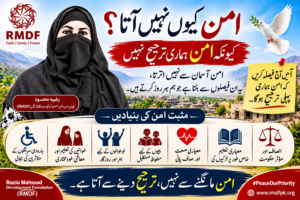
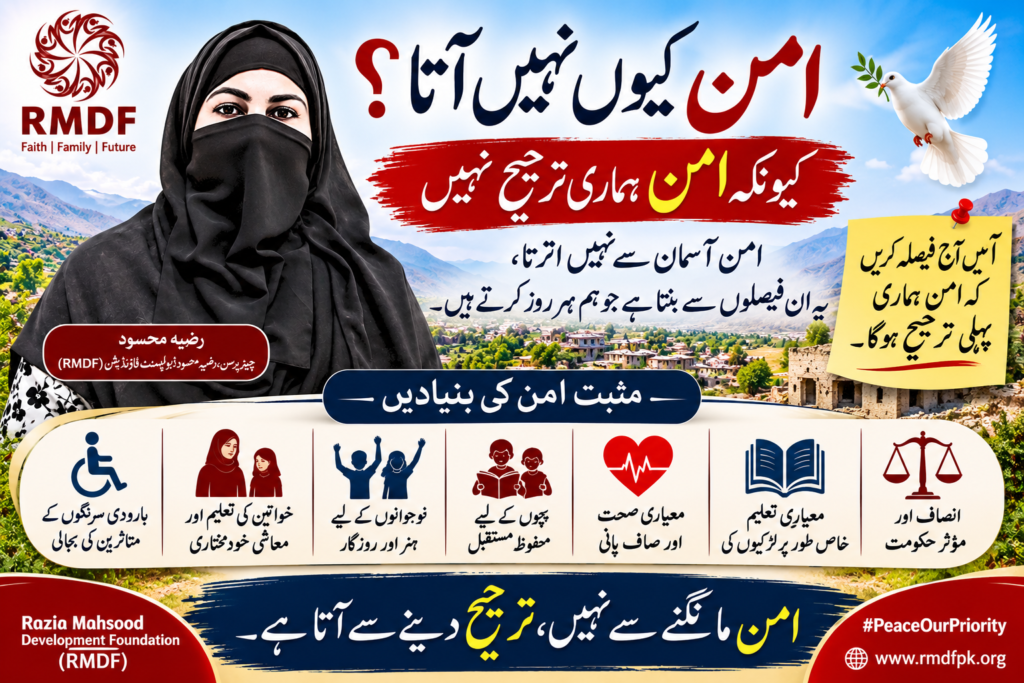
Experts distinguish negative peace – the absence of violence – from positive peace: the institutions, attitudes and structures that stop violence from returning. Its foundations are justice and effective governance, quality education (especially for girls), health and clean water, a safe future for children, skills and jobs for youth, women’s education and economic empowerment, and rehabilitation for landmine survivors. UN Sustainable Development Goal 16 says the same: peaceful and inclusive societies, justice for all, and accountable institutions.
How do we make peace a priority?
- State and government: release development funds for the merged districts on time and report spending publicly; strengthen local government, police and courts; rebuild and staff schools and health centres; clear landmines and run a lasting rehabilitation programme for survivors.
- Community and elders: use jirgas and local peace committees to resolve disputes within a human-rights framework; let ulema and elders lead the message of tolerance; reject the display of weapons and hate speech.
- Youth: digital skills, freelancing and technical training that turn into real income; sports, leadership and civic education; a peace narrative built through digital journalism and social media.
- Women: meaningful participation in peace committees and planning; girls’ education and women’s economic independence; in the spirit of UN Security Council Resolution 1325, recognising women as partners in peace, not only as victims.
RMDF works with this vision on education, digital skills, women’s economic empowerment and support for landmine survivors. We believe every educated girl and every employed young person is a brick in the wall of peace.
Peace does not come from asking for it – it comes from prioritising it. Let us decide today that peace will be our first priority.
اردو
تحریر: رضیہ محسود، چیئرپرسن، رضیہ محسود ڈیولپمنٹ فاؤنڈیشن (RMDF)
امن اس لیے نہیں آتا کہ ہم نے اسے کبھی اپنی پہلی ترجیح بنایا ہی نہیں۔ ہم امن کی دعا مانگتے ہیں، اس پر تقریریں کرتے ہیں، مگر اپنے بجٹ، اپنی پالیسیوں اور اپنے روزمرہ رویوں میں اسے وہ جگہ نہیں دیتے جو وہ مانگتا ہے۔
جنوبی وزیرستان، شمالی وزیرستان، لکی مروت اور ڈیرہ اسماعیل خان کے لوگوں نے دو دہائیوں سے زیادہ عرصہ بدامنی کے سائے میں گزارا ہے۔ فوجی آپریشنز، نقل مکانی، تباہ شدہ اسکول، بند بازار اور بکھرے خاندان اس خطے کی اجتماعی یادداشت کا حصہ بن چکے ہیں۔ 2018 میں فاٹا کا خیبر پختونخوا میں انضمام ایک نئی امید لے کر آیا تھا، مگر آج بھی جب کوئی ماں اپنے بچے کو اسکول بھیجتی ہے تو اس کے دل میں یہی سوال ہوتا ہے: کیا وہ شام کو خیریت سے لوٹ آئے گا؟ یہ سوال صرف سیکیورٹی کا نہیں، ترجیحات کا سوال ہے۔
امن ہماری ترجیح کیوں نہیں؟
- ردِعمل کی پالیسی: ہم دھماکے کے بعد جاگتے ہیں اور چند ہفتوں میں پھر سو جاتے ہیں۔ بدامنی کی جڑوں پر مسلسل کام کم ہی ہوتا ہے۔
- سیکیورٹی کا محدود تصور: امن کو صرف چیک پوسٹوں اور آپریشنز سے جوڑا گیا، جبکہ تعلیم، صحت، روزگار اور انصاف ثانوی رہے۔
- سیاسی مفاد کی بالادستی: فیصلے اگلے انتخاب کو سامنے رکھ کر ہوتے ہیں، اگلی نسل کو نہیں۔
- وعدوں اور عمل میں فاصلہ: ادھورے وعدے اعتماد کو کمزور کرتے ہیں، اور بے اعتمادی بدامنی کا ایندھن ہے۔
- مقامی آواز کی کمی: خواتین اور نوجوانوں سے کم ہی پوچھا جاتا ہے کہ ان کے لیے امن کا مطلب کیا ہے۔
- معاشرتی خاموشی: ہم نے نفرت، تعصب اور اسلحے کی ثقافت کو معمول سمجھ لیا۔ امن ریاست کی ذمہ داری ہے، مگر صرف ریاست کی نہیں۔
بدامنی کی قیمت کون ادا کرتا ہے؟
سب سے بھاری قیمت وہ لوگ ادا کرتے ہیں جن کی آواز سب سے کمزور ہے۔ بچوں کی تعلیم رکتی ہے، حاملہ خواتین اور نوزائیدہ بچے صحت کی سہولیات سے محروم رہتے ہیں، بازار بند اور نوجوان بے روزگار ہوتے ہیں، خواتین پر پابندیاں مزید سخت ہو جاتی ہیں، اور بارودی سرنگوں کے متاثرین آج بھی بحالی کے منتظر ہیں۔ جب ایک خطہ پیچھے رہ جاتا ہے تو پورا ملک اس کی قیمت ادا کرتا ہے۔
امن صرف بندوق کی خاموشی نہیں
مثبت امن کی بنیادیں ہیں: انصاف اور مؤثر حکومت، معیاری تعلیم خاص طور پر لڑکیوں کی، معیاری صحت اور صاف پانی، بچوں کے لیے محفوظ مستقبل، نوجوانوں کے لیے ہنر اور روزگار، خواتین کی تعلیم اور معاشی خودمختاری، اور بارودی سرنگوں کے متاثرین کی بحالی۔ اقوامِ متحدہ کا پائیدار ترقی کا ہدف 16 بھی یہی کہتا ہے۔
امن کو ترجیح کیسے بنائیں؟
- ریاست: ضم شدہ اضلاع کے فنڈز کی بروقت اور شفاف فراہمی، مقامی حکومت، پولیس اور عدالتوں کی مضبوطی، اسکولوں اور مراکز صحت کی بحالی، اور بارودی سرنگوں کی صفائی۔
- معاشرہ اور مشران: جرگہ اور امن کمیٹیوں کے ذریعے پرامن حل، علماء اور بزرگوں کی جانب سے برداشت کا پیغام، اسلحے کی نمائش اور نفرت انگیز تقریر کے خلاف مؤقف۔
- نوجوان: ڈیجیٹل مہارتیں، فری لانسنگ اور فنی تربیت، کھیل اور قیادت کے پروگرام، اور سوشل میڈیا پر امن کا بیانیہ۔
- خواتین: امن کمیٹیوں اور منصوبہ بندی میں بامعنی شمولیت، لڑکیوں کی تعلیم اور معاشی خودمختاری، اور قرارداد 1325 کی روح کے مطابق عورت کو امن کی شراکت دار تسلیم کرنا۔
رضیہ محسود ڈیولپمنٹ فاؤنڈیشن اسی سوچ کے ساتھ تعلیم، ڈیجیٹل مہارتوں، خواتین کی معاشی خودمختاری اور بارودی سرنگوں کے متاثرین کی مدد پر کام کر رہی ہے۔ ہر پڑھی لکھی لڑکی اور ہر باروزگار نوجوان امن کی ایک اینٹ ہے۔
امن مانگنے سے نہیں، ترجیح دینے سے آتا ہے۔ آئیں آج فیصلہ کریں کہ امن ہماری پہلی ترجیح ہوگا۔
Support RMDF’s work for peace and development / امن اور ترقی کے لیے RMDF کا ساتھ دیں: Donate now · info@rmdfpk.org · 0334-7850690
#PeaceOurPriority #RMDF #Waziristan #KhyberPakhtunkhwa #SDG16